|
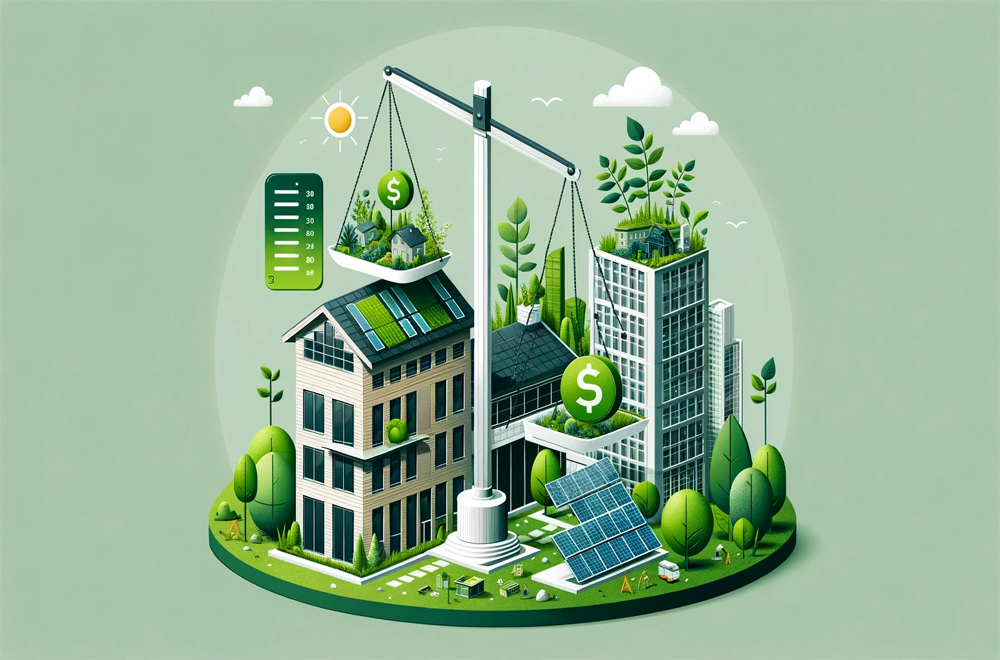
This course introduces the theoretical foundations and practical applications of ecological design in architecture. Students explore how climate, energy, materials, water systems, and environmental performance shape buildings and urban spaces. The focus is on designing environmentally responsible, resilient, and future-oriented built environments. Key topics: By the end of the course, students will be able to integrate ecological thinking directly into their studio and architectural project work, moving beyond “sustainable” toward performance-based and regenerative design approaches. |
- Teacher: Seyed FARD